Guest Dispatch
SCUBA Skills = Life Skills
Oct 5, 2026 · Nolan Plate
The Skills are Many. The Payoff is Infinite.
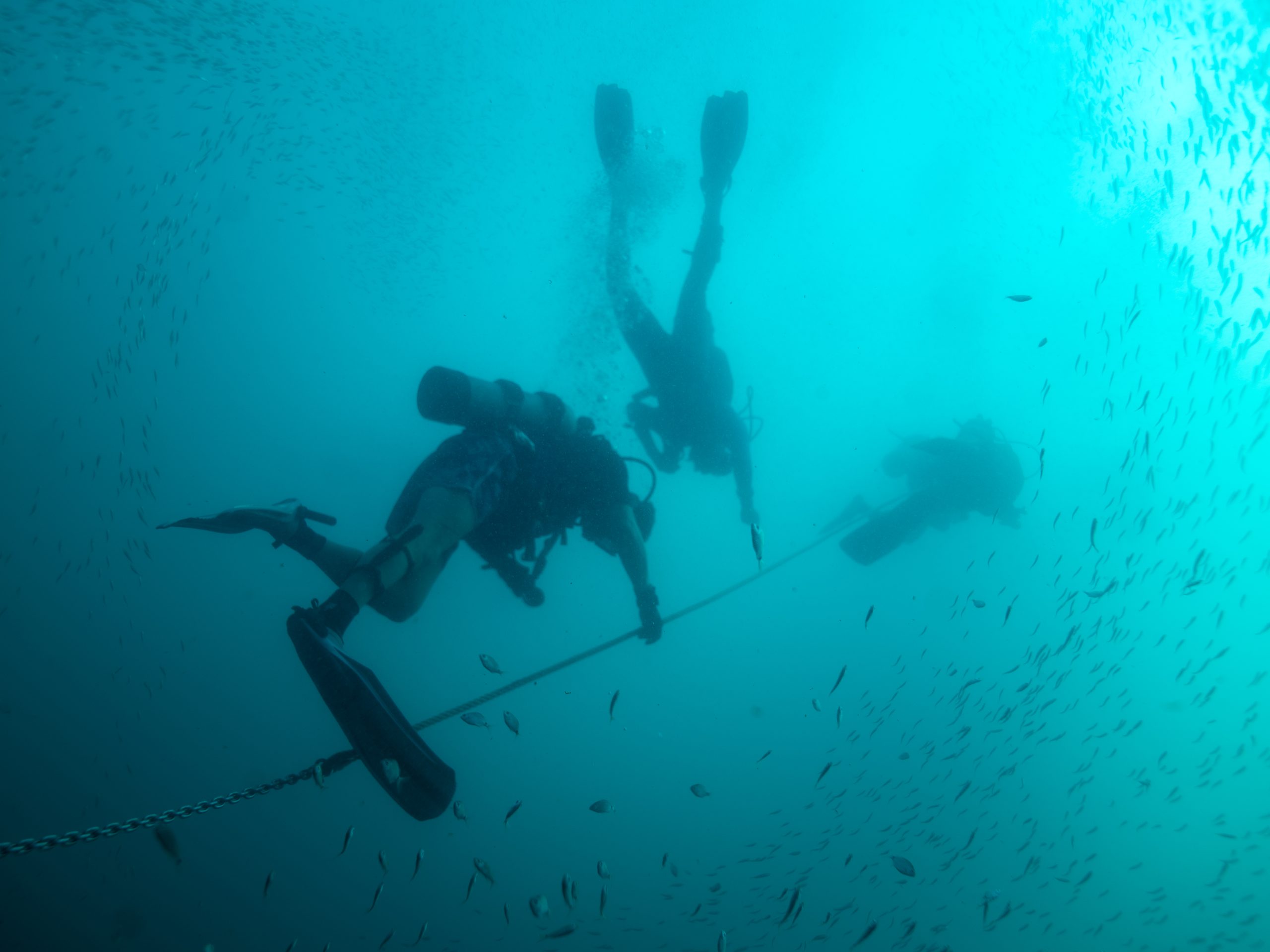
Humans have been fascinated by what lies beneath the water for thousands of years. Early divers could explore only as long as they could hold their breath. Over time, inventors developed diving bells and surface-supplied air systems that allowed people to remain underwater longer.
Modern scuba diving changed everything.
In the 1940s, French naval officer and explorer Jacques-Yves Cousteau and engineer Émile Gagnan helped develop the Aqua-Lung, an early practical open-circuit scuba system. Instead of being connected to the surface, divers could carry compressed air with them and breathe through a regulator.
For the first time, people could move freely underwater.
Today, that same basic concept allows recreational divers to explore an environment that covers more than two-thirds of our planet.
But scuba isn't simply about putting on a tank and jumping in.
It requires preparation, skill, judgment, and trust.
At the Britt Foundation, we're not just teaching young people how to dive. We're teaching them how to navigate challenges.
01 - BUDDY CHECK
Before entering the water, divers systematically inspect their equipment and their buddy's equipment.
They'll learn to verify that their:
- BCD is properly connected and functioning
- Tank and regulator connections are secure
- Air supply is available
- Alternate air source is accessible
- Weight system is properly secured
- Releases and equipment are properly configured
- Mask, fins, and other personal equipment are ready
WHY IT MATTERS
The lesson isn't simply learning a checklist. It's developing the habit of stopping, checking, and communicating before acting.
That mindset applies to far more than scuba. “Good divers don't assume they're ready. They verify it.”
02 — REGULATOR RECOVERY
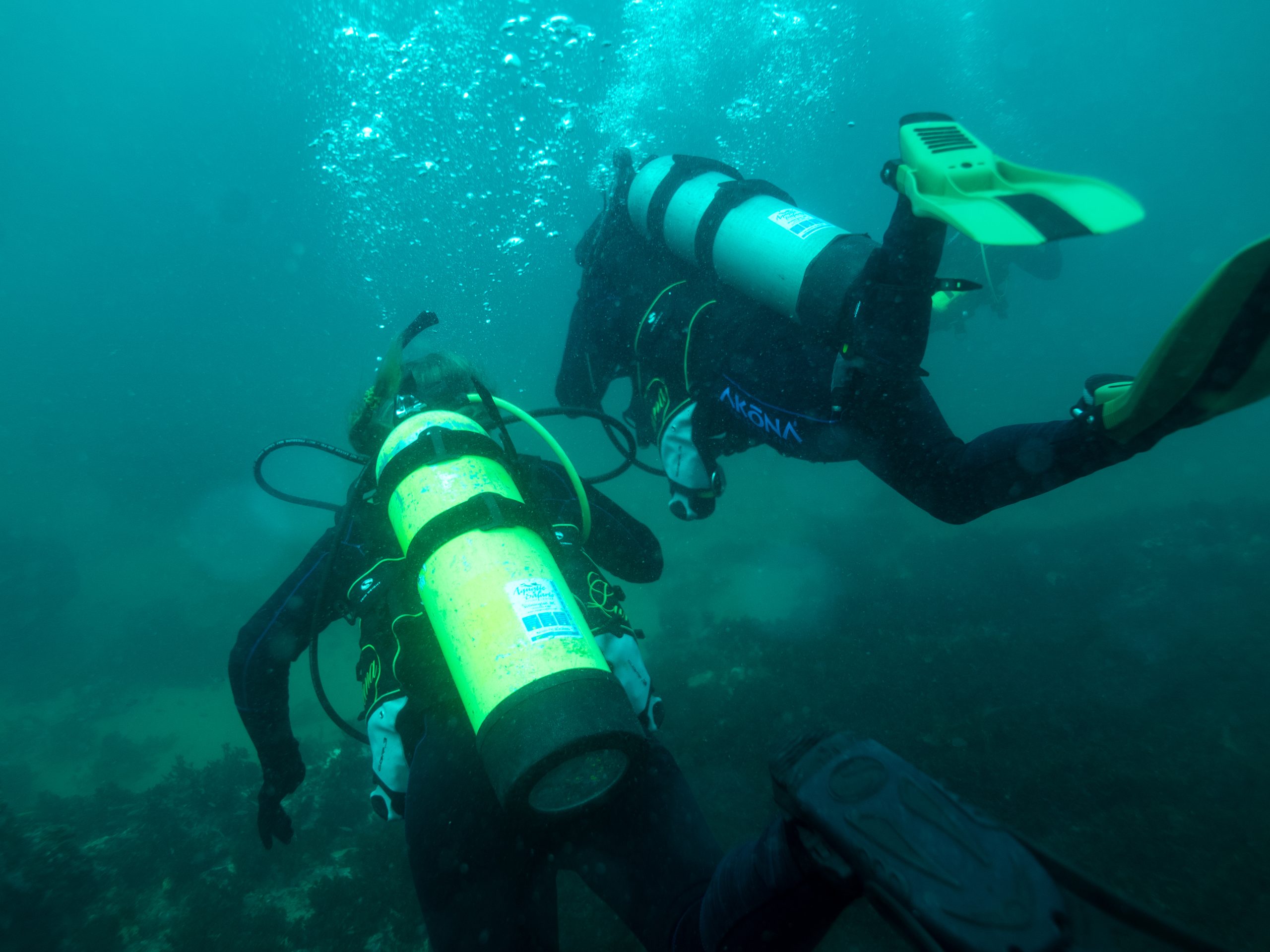
What happens if a diver loses the regulator they're breathing from? Students practice responding to that situation in a controlled environment. They'll learn how to remain calm, recover the regulator, clear it appropriately, and return to normal breathing.
WHY IT MATTERS
A new situation can create an immediate emotional response. Training gives students another option:
Stop. Think. Act.
Rather than panicking when something unexpected happens, they learn to rely on preparation and practiced responses. That's a skill worth carrying far beyond the water.
03 - MASK CLEARING
Students intentionally practice dealing with water entering their masks. They learn the proper technique for clearing the water while maintaining control of their breathing and position in the water.
WHY IT MATTERS
For a new diver, a flooded mask can feel uncomfortable and disorienting.
Successfully dealing with it teaches an important lesson:
“I know what to do when something goes wrong.”
That is confidence built through competence.
04 - BUOYANCY CONTROL
One of the biggest transitions for a new diver is learning that underwater movement isn't simply about swimming harder.
Students learn how their:
- Breathing, Weighting, Buoyancy compensator, Equipment, and Body position
affect where they are in the water.
The goal is to become comfortable maintaining neutral buoyancy and moving efficiently through the water.
WHY IT MATTERS
Good buoyancy means greater control, less wasted energy, and reduced contact with the underwater environment.
But there's another lesson.
At first, students may feel like they're fighting the water.
With practice, they begin to understand how to work with it.
“The goal isn't to overpower the environment. It's to learn how to move within it.”
05 - UNDERWATER COMMUNICATION
You can't simply yell to your buddy underwater.
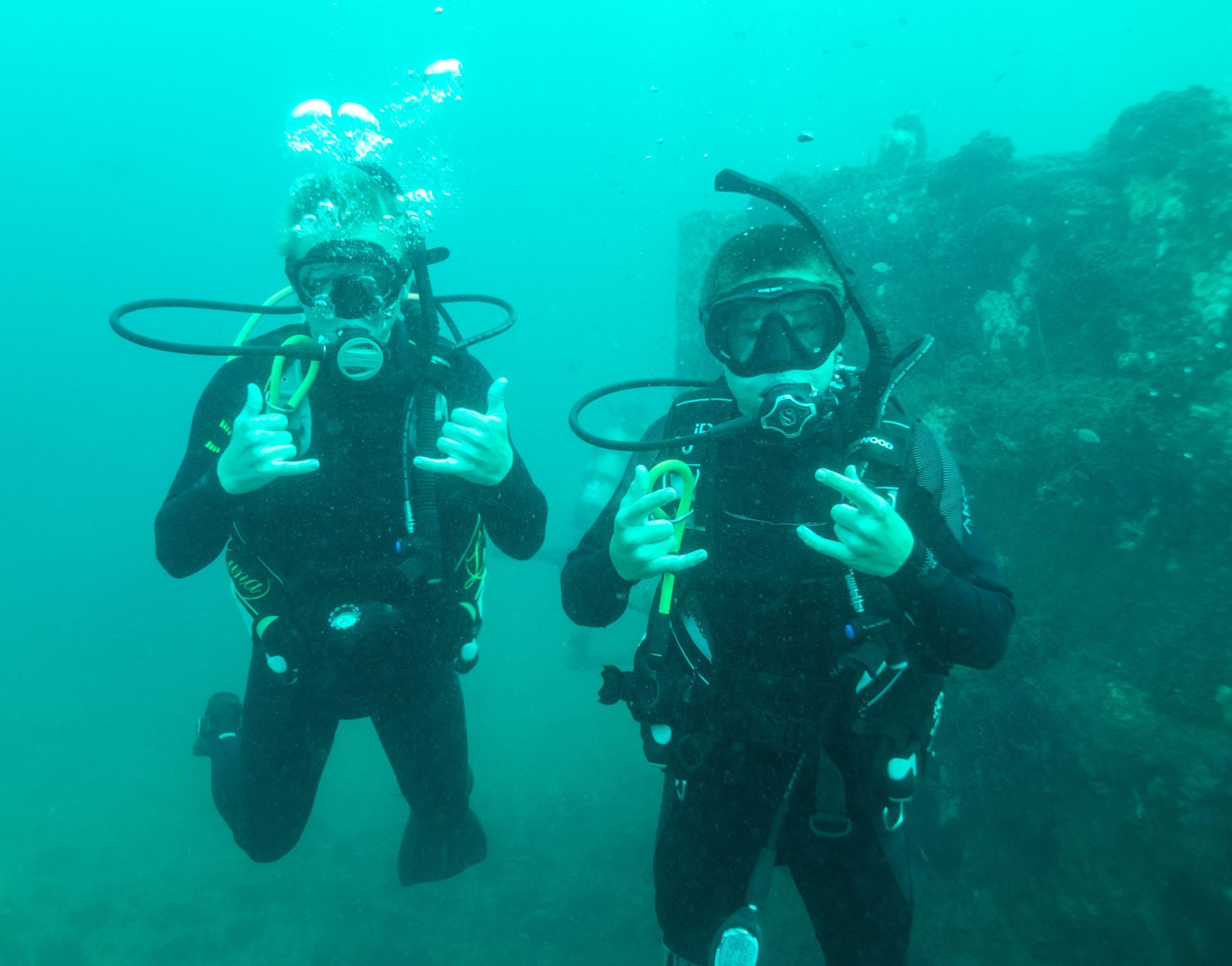
Instead, divers rely on established hand signals to communicate important information.
Students learn how to communicate messages such as:
OK.
Stop.
Ascend.
Descend.
Something is wrong.
Look at this.
Out of air.
WHY IT MATTERS
Scuba teaches students that communication isn't necessarily about talking more.
It's about making sure the other person understands you.
That becomes especially important when you're operating in an unfamiliar environment.
06 - DIVE PLANNING
Before entering the water, divers don't simply decide where to swim. They develop a plan.
Students learn to consider factors such as:
- Maximum depth
- Planned dive time
- Air supply
- Entry and exit points
- Environmental conditions
- Buddy considerations
- Emergency procedures
During the dive, they continue to monitor themselves, their buddy, their equipment, depth, and air supply.
WHY IT MATTERS
Planning teaches students that successful adventures aren't accidental.
Preparation creates freedom.
When you know your equipment, understand the environment, and have a plan for what to do when things change, you can spend more time enjoying the experience.
SKILL SPOTLIGHT: BREATHING & STAYING CALM
One of the first things a new scuba diver has to overcome is the instinct to hold their breath.
Underwater, breathing becomes the foundation of everything else.
Students learn to breathe slowly and continuously through their regulator while becoming comfortable with the unfamiliar sensation of breathing underwater. They learn to pay attention to their breathing, body position, and surroundings rather than allowing anxiety to take control.
They also learn an important principle:
If something doesn't feel right, stop and breathe.
Rather than immediately reacting to stress, students practice slowing down, controlling their breathing, communicating with their buddy, and working through the problem.
WHY IT MATTERS
This is where scuba becomes much more than a technical skill.
Being underwater can create a powerful stress response in a new diver. A flooded mask, a misplaced regulator, unexpected movement, or simply the unfamiliar feeling of being underwater can cause anxiety.
Students learn that calm is a skill.
They can't always control what happens around them.
They can control how they respond.
That means taking a breath.
Pausing.
Thinking.
Communicating.
Then acting.
“You can't always control the situation. You can control your response to it.”
This is a lesson we hope students carry far beyond the water.
Whether they're facing a difficult class, a challenging relationship, a new job, or another unfamiliar adventure, the ability to pause, regulate themselves, and think clearly under pressure is invaluable.
Adventure puts young people in situations where their normal responses are challenged.
Scuba makes that particularly tangible.
A student may begin the day nervous about putting their face underwater. By the end of the experience, they may be calmly hovering several feet below the surface, breathing steadily and communicating with a buddy.
That transformation is powerful.
The goal isn't to teach young people that they should never be nervous.
It's to teach them that being nervous doesn't mean they can't move forward.
HELP THE NEXT STUDENT TAKE THE PLUNGE
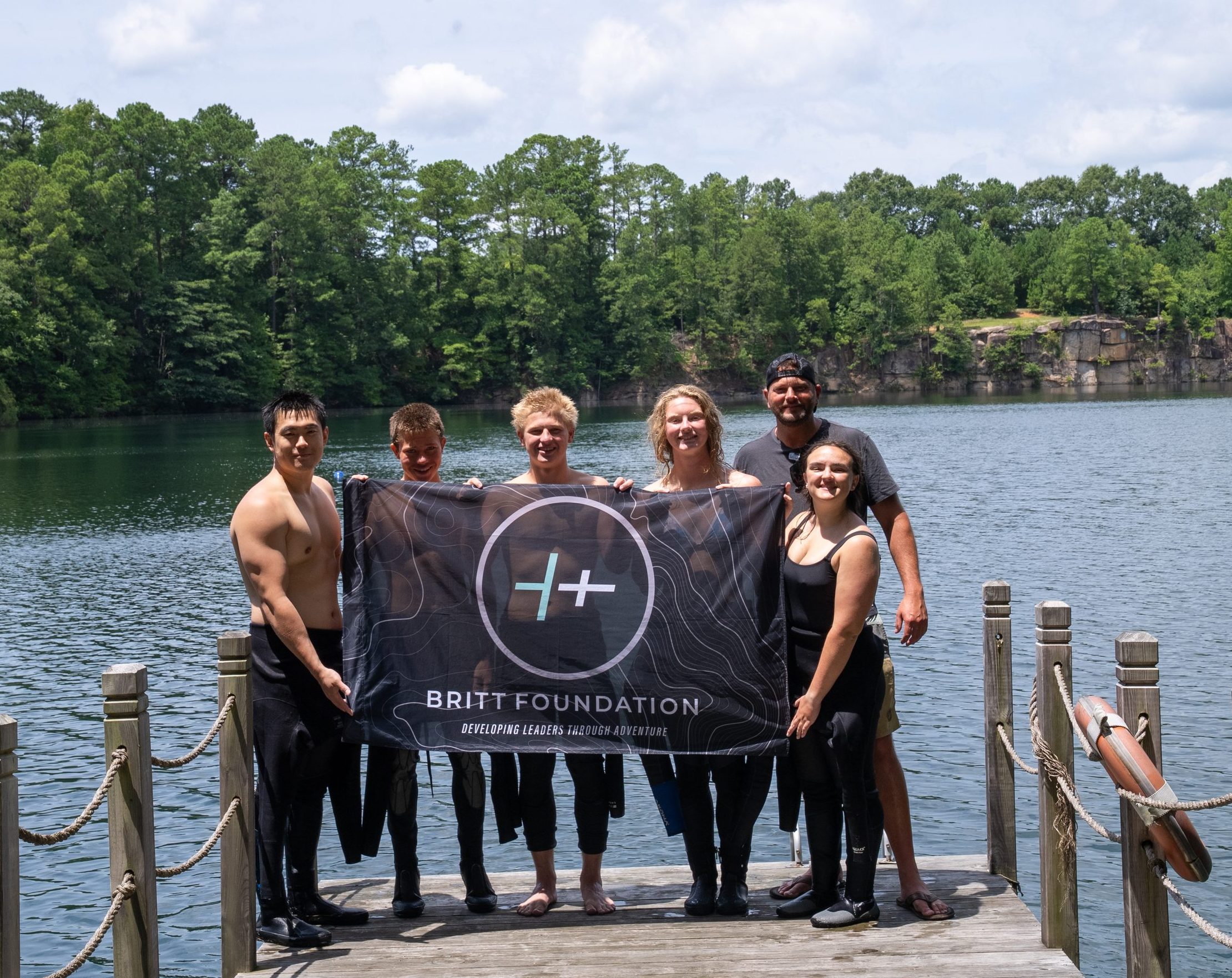
Your support helps provide the instruction, equipment, transportation, and experiences that make adventure-based youth development possible.
Give today and help a young person discover what's possible when they're given the opportunity to step outside their comfort zone.